Bringing Joy to Stitch: The Versatility of the Dancing Dog Embroidery Design
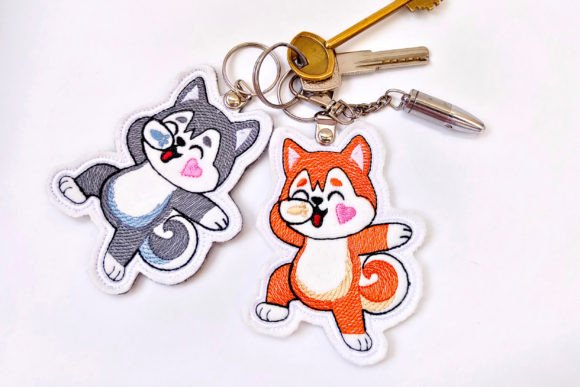
There is a specific kind of magic that happens when a piece of fabric transforms from something ordinary into a storytelling canvas. For many of us, that transformation begins with a design that sparks an immediate emotional connection. The Dancing Dog embroidery motif, featuring an adorable Husky caught mid-boogie, is exactly that kind of spark. It isn't just a pattern; it's a conversation starter, a mood lifter, and a versatile asset for anyone looking to inject personality into their textile projects. Whether you are a seasoned embroiderer with a wall full of machines or a hobbyist just dipping your toes into the world of digitized designs, this cute canine offers a surprising range of applications beyond the standard t-shirt.
The appeal of this particular design lies in its universal charm. Huskies have carved out a special niche in pop culture as the clowns of the dog world, known for their expressive faces and energetic antics. Capturing that spirit in a cute dancing Husky face creates an instant bond with the viewer. When you stitch this onto a garment or accessory, you aren't just decorating; you are sharing a bit of joy. This makes it an exceptional choice for connecting with diverse audiences, from young children who love animals to adults who appreciate whimsical art. The design works because it feels alive, bridging the gap between a static image and a dynamic personality.
Revitalizing Wardrobes and Home Decor
One of the most immediate and satisfying ways to utilize the Dancing Dog design is by refreshing your personal wardrobe or home textiles. We all have those staple items—a plain denim jacket, a solid-colored tote bag, or a set of neutral throw pillows—that feel functional but lack soul. Applying this embroidery turns these blank slates into signature pieces. Imagine stitching the dancing Husky onto the pocket of a child's jeans; suddenly, getting dressed becomes a little more exciting for them. For adults, placing the design on the chest of a cozy sweatshirt or the back of a canvas market bag adds a touch of playful sophistication that mass-produced retail items rarely achieve.
In the realm of home decor, the possibilities expand even further. A kitchen towel featuring the Dancing Dog can bring a smile during morning coffee routines, while a stitched patch on a pet bed creates a fun "matching set" vibe for your own furry friends. The key here is scale and placement. Because the design focuses on a cute face, it holds up well even when resized for smaller applications like napkins or larger statements like blanket hems. The versatility allows you to curate a home environment that feels curated and personal rather than catalog-perfect.
Crafting Unique Accessories and Gifts
Beyond clothing and linens, the true power of machine embroidery shines when creating standalone accessories. The Dancing Dog design is perfectly suited for making brooches, badges, and magnets. These small-scale projects are incredibly popular right now, offering a low-commitment way to experiment with new styles. A felt-backed embroidered badge pinned to a backpack or laptop case acts as a personal flag, signaling your love for dogs and your creative spirit to the world.
For those who enjoy gift-giving, this design is a goldmine. Handmade gifts carry a weight that store-bought items simply cannot match. Creating a set of matching magnets for a dog-loving friend, or sewing a custom patch onto a new puppy's collar, demonstrates thoughtfulness and effort. Children, in particular, delight in receiving items featuring their favorite animals. A backpack adorned with a dancing Husky can make the first day of school feel less daunting and more adventurous. Furthermore, these small projects are excellent for using up scrap fabric and stabilizer, making them an eco-friendly and economical crafting option.
Navigating File Formats and Machine Compatibility
A practical consideration for any embroiderer is technical compatibility. One of the strongest assets of the Dancing Dog design package is its inclusion of multiple embroidery file formats. In the fragmented world of embroidery machines, where Brother, Janome, Bernina, and Pfaff often speak different digital languages, having a universal design is crucial. Whether you are running an older model in a home studio or a multi-head commercial machine, the ability to select the correct file format ensures that the stitch density and underlay are optimized for your specific hardware.
This flexibility removes the friction often associated with downloading digital assets. You don't need to worry about converting files yourself, which can sometimes lead to distorted stitches or lost details. Instead, you can load the file directly and focus on the creative aspects: choosing the perfect thread colors, selecting the right fabric texture, and deciding on the best stabilizer for your project. This user-friendly approach makes the design accessible to beginners who might be intimidated by technical hurdles, while still providing the quality that experienced professionals demand.
Considerations for Best Results
While the Dancing Dog design is robust, achieving the best results requires a bit of situational awareness. When working with small items like brooches or badges, the choice of stabilizer is paramount. Since these items undergo more handling and movement than a wall hanging, using a cut-away stabilizer can provide the necessary durability to prevent the stitches from puckering over time. Conversely, for clothing that needs to remain soft against the skin, a tear-away stabilizer might be preferable to maintain drape and comfort.
Thread selection also plays a pivotal role in bringing the Husky to life. While the default color suggestions are usually accurate, don't be afraid to experiment. Using variegated threads for the fur can add depth and movement, enhancing the "dancing" illusion. Additionally, consider the fabric type. The design pops beautifully on denim and canvas, but it can also look stunning on fleece or corduroy if the stitch count is adjusted slightly to accommodate the pile of the fabric. Testing on a scrap piece of your intended material is always a wise step before committing to the final project.
Ultimately, the Dancing Dog embroidery design serves as a bridge between technical skill and emotional expression. It invites users to explore different facets of their creativity, whether that means outfitting a pet, decorating a nursery, or crafting unique accessories for a craft fair. Its strength lies not just in the cuteness of the Husky, but in its adaptability to real-world needs and desires. By understanding how to apply this design across various mediums and considering the practical elements of execution, you can unlock its full potential. It is a reminder that embroidery is more than just stitching; it is about weaving happiness into the fabric of everyday life.