Magnolia Kobus Stellata: Elevating Interiors with Timeless Paper Botanicals
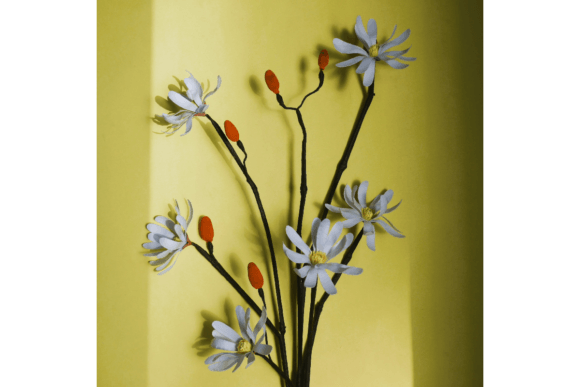
The allure of the Magnolia Kobus Stellata, often known as the Star Magnolia, lies in its ability to signal the very first whispers of spring. In the natural world, this shrub bursts into life with pristine white petals fanning out from a golden center, creating a striking contrast against dark, bare branches. Recreating this serene elegance in paper form offers a unique opportunity for creators and homeowners alike to capture that fleeting beauty permanently. Maison Gregoria's interpretation of this species brings a sophisticated natural element to interior spaces, featuring pure white blossoms and subtle orange-hued, ovate fruit pods that add a touch of autumnal warmth. However, whether you are purchasing a finished arrangement or embarking on a DIY journey with precision-cut SVG files, there are critical details often overlooked that can make the difference between a amateur-looking craft and a professional-grade decorative piece.
Understanding the Nuances of Paper Magnolia Design
Before diving into assembly or making a purchase, it is essential to understand what makes the Magnolia Kobus Stellata distinct. Unlike the larger, cup-shaped blooms of the Southern Magnolia, the Star Magnolia is characterized by its narrow, strap-like petals that radiate outward. When translating this to paper, many enthusiasts make the mistake of using petal shapes that are too wide or rounded. This fundamental error alters the silhouette of the flower, causing it to lose its characteristic "star" appearance. If you are evaluating a DIY kit or designing your own, check the petal proportions carefully. The petals should be slender and slightly pointed to mimic the delicate fan-out of the real bloom. Ignoring this detail results in a generic flower that fails to capture the specific grace of the Kobus Stellata variety.
Another common misunderstanding involves the color palette. While the blossoms are famously white, the magic of a realistic arrangement often lies in the supporting elements. The dark branches and the orange-hued fruit pods are not merely accessories; they provide the necessary visual weight and seasonal context. A frequent error in DIY projects is omitting these fruit pods or rendering them in a flat, unrealistic green. To achieve the authentic look described in high-quality offerings, ensure your materials include those specific autumnal tones. This contrast is what grounds the design, preventing the white flowers from looking floating or disconnected from reality.
Avoiding Material Pitfalls for Professional Results
The choice of material is perhaps the most critical decision in paper floristry, yet it is frequently treated as an afterthought. Many beginners reach for standard printer paper or lightweight cardstock, assuming that any stiff paper will hold its shape. This approach often leads to disappointing results where the petals droop over time or fail to hold the intricate curves required for the Star Magnolia's form. For a truly elegant finish, the industry standard leans heavily toward specialized materials like Encore Cardstock 80. This specific weight offers the perfect balance: it is sturdy enough to maintain the structural integrity of the branching system yet pliable enough to be shaped without cracking or creasing unnaturally.
Using subpar cardstock can significantly affect the longevity and presentation of your project. Lightweight papers may warp in humid environments, while overly thick boards can look clunky and refuse to curl naturally around the golden centers. If you are sourcing your own supplies, always test the flexibility of the cardstock before committing to a full batch. A simple test involves rolling a scrap piece around a quilling tool or pencil; it should hold the curve smoothly. By prioritizing quality materials like Encore Cardstock, you ensure that the final piece reflects the tranquility and sophistication of the original species, suitable for formal living rooms or high-traffic office receptions.
Navigating the DIY Assembly Process
For those passionate about botanical art, the Magnolia Kobus Stellata DIY kit offers a rewarding challenge. These kits typically include precision-cut SVG files suitable for both cutting machines and manual techniques. However, a common trap for creators is rushing through the assembly instructions. Whether you are following a video tutorial or a PDF guide, skipping steps to save time often leads to misaligned layers and unstable structures. The complexity of attaching multiple narrow petals to a central stem requires patience and precision.
- Review Instructions Fully: Before cutting a single sheet, watch the entire assembly video or read the PDF through once. Understanding the sequence of operations prevents wasted material.
- Tool Preparation: Ensure you have the correct tools for shaping. Using a blunt tool on heavy cardstock can tear the fibers, while a sharp tool on light paper might pierce through. Match your tools to the 80lb cardstock specification.
- Glue Application: Over-gluing is a frequent issue. Excess adhesive can stain the pristine white petals or create visible lumps at the base. Use a fine-tip applicator for controlled placement.
By treating the assembly as a meditative practice rather than a race, you enhance the quality of the output. The process itself becomes a relaxing activity, resulting in a timeless decorative piece that requires zero maintenance once completed. This is particularly valuable for busy professionals or small business owners who want the aesthetic of fresh florals without the recurring cost or upkeep.
Making Informed Decisions for Your Space
When considering where to place your finished Magnolia Kobus Stellata, think about lighting and scale. A mistake many decorators make is placing white paper flowers in dim corners where they can appear gray or dull. These blossoms thrive in well-lit areas where their bright petals can catch the light, enhancing the room's airy feel. Conversely, placing them in direct, scorching sunlight for extended periods might cause fading over years, so indirect natural light is often the sweet spot.
Furthermore, consider the scale of the branches relative to your vessel or wall space. The dark branches of the Kobus Stellata are meant to be architectural. Cramping them into a small vase defeats the purpose of their sweeping lines. Allow the arrangement to breathe. Whether you are a blogger styling a photoshoot, an educator creating a calming classroom environment, or a homeowner refreshing a bedroom, the key is to let the natural lines of the branch dictate the composition.
Ultimately, the goal is to bring a piece of nature's serenity indoors. By paying attention to petal shape, selecting the right cardstock weight, respecting the assembly process, and placing the arrangement thoughtfully, you avoid the common pitfalls that plague paper crafting. The result is a sophisticated, enduring tribute to the Star Magnolia that elevates any interior with its quiet confidence and detailed beauty.