Strategic Embellishment: Leveraging Cross Stitch Lace Border for Professional Results
In the realm of textile design and custom fabrication, the difference between a standard product and a premium offering often lies in the details. The Cross Stitch Lace Border represents more than just a decorative element; it is a strategic tool for enhancing perceived value, defining brand identity, and elevating the tactile experience of a finished good. For entrepreneurs, creators, and small business owners operating in the home decor, fashion, or personalized gift sectors, the intentional integration of these borders can significantly impact customer satisfaction and market positioning.
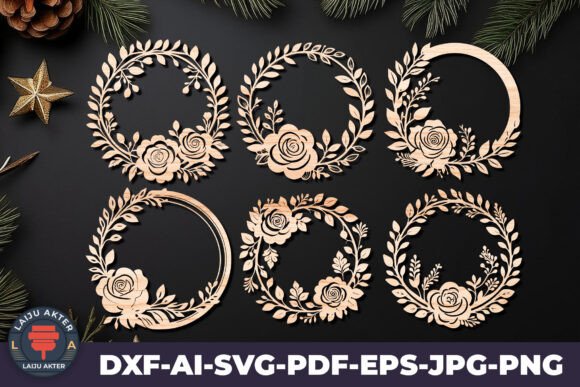
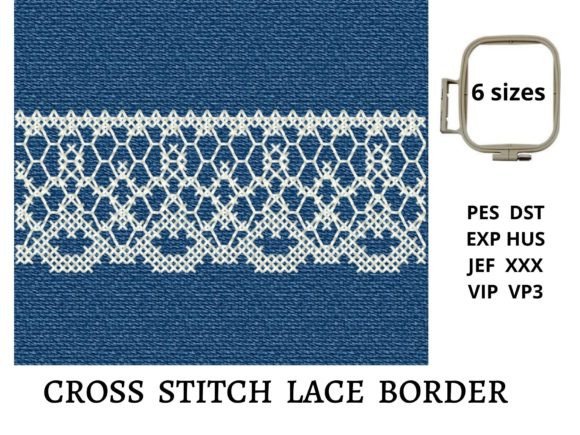
Our distinctive collection offers six unique lace designs available in versatile lengths, specifically engineered to adapt to various project scopes. However, the true utility of a Cross Stitch Lace Border extends beyond its aesthetic appeal. It requires a thoughtful approach to selection, placement, and execution to ensure it aligns with broader operational goals and quality standards. This guide explores how to deploy these embroidery assets effectively, minimizing waste while maximizing creative output.
Defining the Strategic Value of Embroidered Borders
At its core, a Cross Stitch Lace Border serves as a framing device. Just as a museum curator selects a specific mat to highlight a painting, a creator uses these borders to draw attention to the craftsmanship of the main piece. Whether applied to high-end bedding, bespoke clothing, or decorative home accents, the border acts as a visual cue that signals quality and attention to detail.
From a business perspective, incorporating these designs supports several key objectives:
- Brand Differentiation: In a saturated market, unique ornate designs help distinguish your products from mass-produced alternatives.
- Perceived Value: Intricate lacework suggests labor-intensive artistry, allowing for justified price premiums.
- Versatility: With multiple file formats compatible with various embroidery machines, these designs reduce technical barriers, streamlining production workflows.
The decision to use a Cross Stitch Lace Border should not be random. It must be driven by a clear understanding of the end-user's expectations and the functional requirements of the item being produced. A border that overwhelms a delicate silk scarf may be perfect for reinforcing the hem of a heavy linen table runner. Context is everything.
Planning and Selection: Aligning Design with Purpose
Before loading a file into your embroidery machine, a period of strategic planning is essential. The collection includes six unique designs, each offering a different visual weight and complexity. Selecting the right pattern involves analyzing the substrate, the intended use of the final product, and the capabilities of your equipment.
Consider the following factors during your planning phase:
- Substrate Compatibility: Lace borders rely on the stability of the underlying fabric. Heavy cottons and linens provide a sturdy foundation for dense stitching, whereas lightweight synthetics may require additional stabilizers to prevent puckering.
- Scale and Proportion: A border that is too wide can dominate a small project, while one that is too narrow may get lost on large bedding items. Measure your canvas carefully before committing to a specific length or design variant.
- Thread and Color Strategy: The elegance of a Cross Stitch Lace Border is often defined by contrast. Decide whether the goal is a subtle tonal integration or a bold statement piece. This decision impacts inventory management and thread procurement.
Furthermore, the availability of multiple file formats ensures accessibility across a wide range of embroidery machines. This technical flexibility is crucial for operations scaling up production or those utilizing diverse equipment fleets. It eliminates the need for costly file conversion services and reduces the risk of formatting errors that can ruin expensive materials.
Operational Efficiency and Workflow Integration
For freelancers and small business owners, time is a finite resource. Integrating a Cross Stitch Lace Border into your workflow should enhance productivity rather than create bottlenecks. Because these designs are pre-digitized and optimized for various machines, they reduce the setup time typically associated with custom digitizing.
To maximize efficiency, consider batching similar projects. If you are producing a line of decorative pillows, running the same border design across multiple units allows you to optimize thread changes and stabilize setups once for several runs. This approach lowers the cost per unit and increases overall throughput.
Additionally, the versatility in lengths means you can minimize material waste. Instead of cutting a long continuous run and discarding the excess, you can select a file length that closely matches your project dimensions. This mindful consumption of thread and backing materials contributes to leaner operations and better margin control.
Risks of Unintentional Application
While the benefits are significant, deploying a Cross Stitch Lace Border without a clear strategy carries risks. The most common pitfall is the mismatch between design complexity and fabric capability. Applying a dense, ornate lace pattern to a unstable knit fabric without proper stabilization can result in distortion, rendering the product unsellable.
Another risk is brand dilution through overuse. If every item in a catalog features the same heavy border, the design loses its impact and becomes mundane. Strategic restraint is necessary. Use these embellishments to highlight key products or limited-edition lines, preserving their exclusivity.
There is also the risk of technical failure if the file format does not match the machine's specific requirements, despite the wide array of options provided. Always test a sample stitch-out on a scrap piece of the actual fabric intended for the final product. This simple step validates tension settings, stabilizer choices, and design integrity before committing to the final run.
Long-Term Value and Customer Experience
The ultimate goal of using a Cross Stitch Lace Border is to enhance the customer experience. When a client receives a garment or home textile item finished with refined lace detailing, the tactile and visual quality communicates care and professionalism. This positive interaction fosters loyalty and encourages repeat business.
Moreover, these designs offer educational value for creators looking to expand their skill sets. Experimenting with different placements—such as using a border as a central motif rather than an edge finish—can lead to innovative product lines. The six unique designs in the collection provide a sandbox for creativity, encouraging users to push beyond traditional applications.
From a marketing standpoint, high-quality imagery of these embroidered details can serve as powerful content for social media and catalogs. Close-up shots that reveal the texture and precision of the Cross Stitch Lace Border tell a story of craftsmanship that resonates with discerning buyers.
Making the Decision to Invest
Deciding to incorporate this collection into your repertoire is an investment in quality and versatility. It is suitable for a wide demographic of creators, from hobbyists seeking to refine their personal projects to entrepreneurs building a scalable product line. The key lies in intentionality.
Ask yourself: Does this border solve a design problem? Does it elevate the perceived value of the base item? Is the technical execution feasible within my current workflow? If the answer to these questions is affirmative, then the Cross Stitch Lace Border is a strategic asset worth utilizing.
By approaching embroidery not merely as decoration but as a component of product strategy, you transform a simple stitch pattern into a driver of business growth. The sheer elegance of the work reflects directly on the creator's reputation, making the choice of design a critical business decision. Explore the collection with a plan, execute with precision, and watch as these ornate designs elevate your projects to new creative heights.