Unlocking Authenticity: The Complete Guide to the Mushroom Handwritten Font
In the vast digital landscape where sleek sans-serifs and rigid geometric typefaces often dominate, there remains a profound human desire for connection. We crave the warmth of a handwritten note, the imperfection of ink on paper, and the personal touch that only organic lettering can provide. Enter Mushroom, a delightfully handcrafted font designed to bridge the gap between digital efficiency and authentic human expression. Whether you are a seasoned graphic designer or a hobbyist looking to add flair to a personal project, understanding the nuances of this typeface can transform your creative output.
This article explores the purpose, significance, and practical applications of the Mushroom font, helping you understand how it fits into modern design, business, and daily life.
What Makes Mushroom Unique?
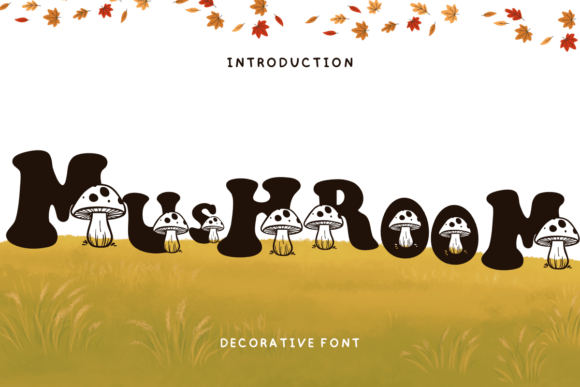
At its core, Mushroom is more than just a collection of characters; it is a stylistic choice that evokes nostalgia and warmth. Unlike standard system fonts that prioritize uniformity, Mushroom embraces the irregularities found in natural handwriting. The strokes vary in thickness, the baseline shifts slightly, and the ligatures (the connections between letters) flow naturally, mimicking the movement of a real pen.
The significance of such a font lies in its psychological impact on the reader. Studies in typography suggest that handwritten styles trigger a sense of intimacy and trust. When a brand or an individual uses a font like Mushroom, they are subtly signaling that there is a human behind the message. This is crucial in an era where automation and AI-generated content are becoming ubiquitous. By choosing a handcrafted typeface, you are asserting authenticity.
The Anatomy of Charm
To truly appreciate Mushroom, one must look at its structural details. The font features:
- Organic Stroke Variation: Simulating the pressure changes of a fountain pen or brush.
- Playful Proportions: Certain letters may extend slightly above or below the standard x-height, adding a whimsical feel.
- Natural Spacing: The kerning (space between characters) is adjusted to prevent the "stamped" look common in lower-quality script fonts.
These elements combine to create a visual voice that is inviting rather than commanding. It does not shout for attention; instead, it gently enfolds the reader in a narrative.
Practical Applications in Modern Life
The versatility of Mushroom allows it to transcend simple document editing. Its application spans various sectors, from personal correspondence to commercial branding. Understanding where and how to use this font is key to maximizing its potential.
Personal Correspondence and Stationery
One of the most immediate uses for Mushroom is in personal communication. In a world of instant messaging and emojis, a digitally crafted letter that looks handwritten carries significant weight. Imagine chronicling daily tales in a digital diary or printing out invitations for a family gathering. Using Mushroom transforms these documents from generic printouts into cherished keepsakes.
For those creating greeting cards, the font's alluring charm ensures that the sentiment feels genuine. Whether it is a birthday wish, a thank-you note, or a holiday card, the typography sets the tone before a single word is read.
Branding and Merchandise
In the business realm, differentiation is everything. Small businesses, particularly those in the artisanal, food, or lifestyle sectors, benefit immensely from the approachable aesthetic of Mushroom. Consider a local coffee shop designing a menu board or a boutique selling handmade soaps. A sterile font might convey professionalism, but Mushroom conveys care.
Merchandise offers another exciting avenue. When printed on mugs, t-shirts, or tote bags, Mushroom adds an artistic flair that makes the product stand out on a crowded shelf. It suggests that the item is not mass-produced in a factory but curated with creativity. This perception of value can directly influence purchasing decisions.
Digital Content and Social Media
Social media platforms are visually driven environments where stopping the scroll is the primary goal. Posts featuring blocky, standard text often get ignored. However, overlaying Mushroom onto images for Instagram stories, Pinterest pins, or Facebook banners can increase engagement. The font breaks the visual monotony of the feed, drawing the eye with its unique character shapes. It is particularly effective for quotes, announcements, and behind-the-scenes content where a personal touch is desired.
How to Integrate Mushroom into Your Workflow
Adopting a new font requires a shift in design thinking. Here is a step-by-step approach to integrating Mushroom effectively:
- Identify the Emotional Goal: Before typing, ask yourself what feeling you want to evoke. If the answer is "trust," "warmth," or "creativity," Mushroom is likely a strong candidate.
- Pairing with Other Fonts: Handwritten fonts rarely work well in isolation for long bodies of text. Pair Mushroom with a clean, neutral sans-serif or a classic serif for body copy. This creates a hierarchy where Mushroom acts as the accent or headline, guiding the reader without overwhelming them.
- Contextual Testing: Always preview your design in its final format. What looks good on a computer screen might look different on a printed mug or a mobile phone display. Ensure the stroke weight remains legible at smaller sizes.
- Color Selection: While black is classic, Mushroom shines when paired with earthy tones, pastels, or deep, rich colors that complement its organic nature. Avoid neon or overly aggressive color palettes that clash with its gentle demeanor.
Common Misunderstandings About Script Fonts
Despite its benefits, there are misconceptions regarding the use of handwritten fonts like Mushroom. Clarifying these can help users avoid pitfalls.
Misconception 1: It is unprofessional.
Many assume that anything resembling handwriting lacks corporate seriousness. However, in modern branding, "professionalism" has evolved to include approachability. Law firms may still need traditional serifs, but a creative agency, a bakery, or a life coach can appear more competent by showing their human side through fonts like Mushroom.
Misconception 2: It is hard to read.
Poorly designed script fonts can indeed be illegible. However, high-quality handcrafted fonts like Mushroom are engineered for readability. The key is usage context. Do not use it for dense paragraphs of legal text or complex data tables. Reserve it for headlines, short captions, and decorative elements where its beauty can be appreciated without straining the eye.
Misconception 3: It limits design scope.
On the contrary, Mushroom expands design innovation. Because it carries so much personality, it can serve as the central visual element of a design, reducing the need for excessive graphics or illustrations. The typography itself becomes the art.
The Broader Impact on Creativity
Ultimately, the adoption of tools like Mushroom reflects a broader trend in design: the return to humanity. As technology advances, the things that make us distinctly human—our imperfections, our quirks, our personal touches—become more valuable. Using a handcrafted font is a small but powerful way to participate in this movement.
For educators, using such fonts in materials can make learning feel less rigid and more engaging for students. For writers, it can inspire a different mode of thinking, encouraging a flow of ideas that matches the fluid lines of the typeface. For entrepreneurs, it is a branding tool that builds community.
Conclusion
The Mushroom font is a testament to the enduring power of handwriting in a digital age. It offers a unique blend of authenticity, versatility, and charm that few other typefaces can match. From penning personal notes to designing standout merchandise, its applications are limited only by one's imagination. By understanding its characteristics and applying it thoughtfully, you can bring your letters to life and create designs that resonate deeply with your audience.
As you move forward in your creative endeavors, consider how the right typography can change the narrative. Let Mushroom be the vessel for your stories, adding that essential, human touch that turns viewers into readers and customers into fans.