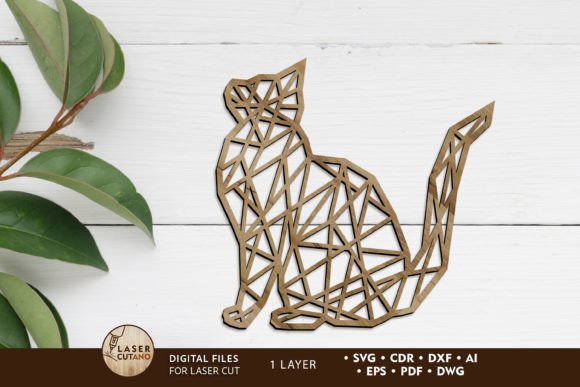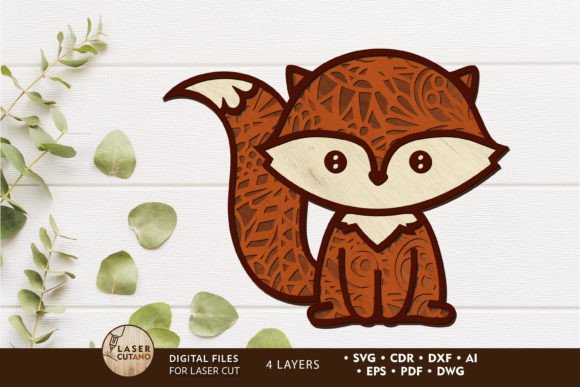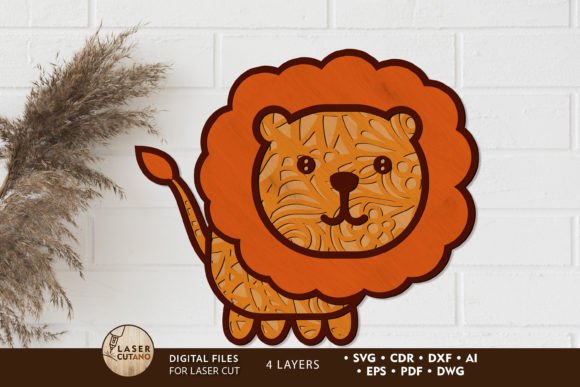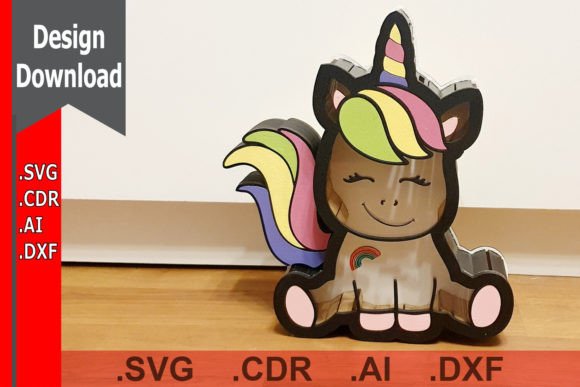
Crafting Charm with Raccoon Laser Templates
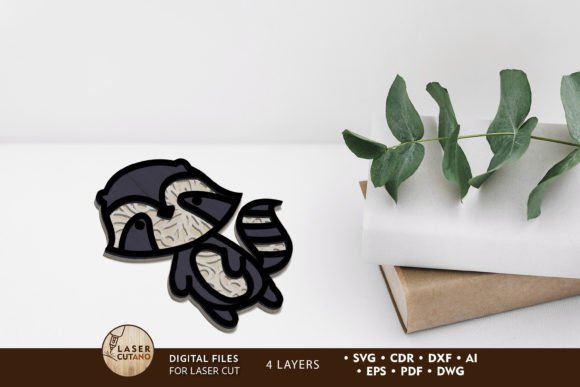
Imagine transforming a flat sheet of material into a whimsical, three-dimensional storybook character that captivates audiences instantly. This is the power of precision digital design, where creativity meets technical execution to produce tangible art. At the heart of this transformation lies the Raccoon Decorative Laser Cut Template, a sophisticated digital asset designed to bridge the gap between conceptual illustration and physical reality. For graphic designers and creative directors, understanding how to leverage such multilayered files is essential for expanding service offerings beyond traditional print and screen media.
In the realm of modern visual design, the demand for unique, tactile experiences is rising. Brands are no longer satisfied with static logos; they seek immersive touchpoints that engage customers on a sensory level. These cute animal digital multilayer layout files are specially prepared for laser cut, CNC router machines, and other cutting technologies, offering a versatile foundation for diverse creative projects. By integrating these assets into your design workflow, you can elevate brand identity through custom merchandise, interactive packaging, and distinctive home décor that stands out in a crowded marketplace.
Elevating Brand Identity Through Physical Design
The transition from digital vector to physical object requires a keen eye for structural integrity and aesthetic balance. When utilizing a Raccoon Decorative Laser Cut Template, designers must consider how each layer contributes to the overall visual hierarchy. The finished product, typically measuring 14 x 8 inches with four distinct layers, offers ample opportunity to play with depth and shadow. This technique mirrors the principles of layered UI design, where depth guides user attention, but here it manifests in the real world through stacked materials like plywood, MDF, or acrylic.
For branding agencies, these templates serve as an excellent starting point for creating limited-edition promotional items or high-end packaging solutions. Imagine a children's book publisher using these cutouts as premium gift inserts, or a boutique coffee shop employing them as intricate coasters. The ability to scale the design up allows for large-scale installations, while reducing it requires careful attention to thin elements to ensure structural stability during the cutting process.
Practical Applications Across Industries
The versatility of these SVG layered animals extends far beyond simple crafts. They are robust creative assets that can be adapted for various sectors, enhancing both marketing materials and product lines. Here is how professional designers can deploy these files effectively:
- Packaging Design: Create custom box toppers or window displays that add a playful yet premium feel to product unboxing experiences.
- Merchandise Development: Produce durable keychains, ornaments, or wall art using recommended material thicknesses of 3–6 mm for longevity.
- Editorial Layouts: Incorporate physical pop-up elements into magazines or lookbooks to increase reader engagement and retention.
- Event Branding: Utilize the templates for photo booth props or table centerpieces that reinforce event themes with cohesive visual styling.
- Educational Tools: Develop interactive learning aids for schools or museums that combine art history with engineering concepts.
Optimizing Your Design Workflow
To achieve a professional presentation, preparation is key. Upon downloading the .zip file containing formats like .AI, .SVG, .DXF, .DWG, .CDR, .EPS, and .PDF, the first step is to unzip the folder and inspect the vector paths. Compatibility with popular machines like Cricut and Glowforge ensures a smooth production process, but the designer's role in pre-press cannot be overstated. Each layer of the multilayer model is intended to be glued, and a crucial pro-tip is to paint before gluing. This ensures clean edges and prevents paint from seeping into the joints, maintaining the crisp lines essential for high-quality visual design.
Color palette selection plays a pivotal role in the final outcome. While the natural grain of wood offers a rustic charm, painting individual layers in brand-specific colors can strengthen brand recognition. For instance, using a monochromatic scheme can create a subtle, sophisticated shadow effect, whereas high-contrast colors can make the design pop, ideal for social media graphics and digital marketing content featuring the physical product.
Technical Considerations for Success
When adapting these cute animal laser cut files, always prioritize the scalability of the design. Increasing the size is generally safe, but reducing the dimensions demands a thorough review of the thinnest connecting bridges between layers. If these elements become too fragile, the structural integrity of the piece may compromise. Furthermore, selecting the right material—whether it be plexiglas for a modern aesthetic or cardboard for a sustainable approach—directly influences the texture and perceived value of the final object.
Ultimately, incorporating tools like the Raccoon Decorative Laser Cut Template into your repertoire allows you to offer clients a holistic design solution that spans digital and physical realms. It demonstrates a commitment to innovation and a deep understanding of how tactile experiences can enhance communication. By mastering the interplay of typography, composition, and materiality within these layered files, designers can create memorable artifacts that not only look beautiful but also tell a compelling story, reinforcing the importance of thoughtful, high-quality creative assets in today's visual landscape.