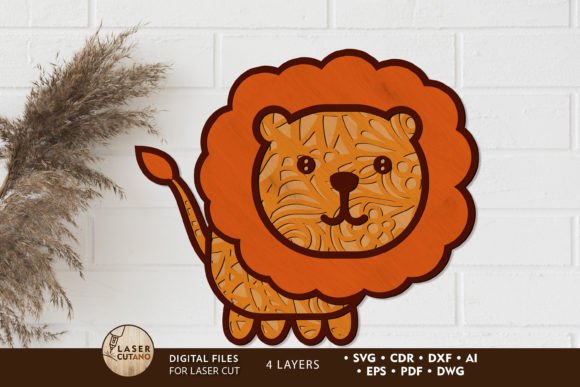
Elevating Craft Projects with the Lion Decorative Laser Cut Template
The landscape of digital fabrication has shifted dramatically in recent years, moving from industrial-exclusive machinery to accessible tools found in home studios and small businesses. At the heart of this evolution is the demand for high-quality, ready-to-use design assets that bridge the gap between creative vision and physical reality. The Lion Decorative Laser Cut Template represents more than just a digital file; it is a gateway to creating tangible, multi-dimensional art that resonates with modern audiences seeking personalized decor and unique gifts.
For creators using machines like Glowforge, Cricut, or CNC routers, the challenge often lies not in operating the hardware, but in sourcing designs that are technically sound and aesthetically pleasing. This is where specialized multilayer layout files become essential. These digital assets are engineered to maximize the capabilities of laser cutters, allowing users to produce intricate 3D structures from flat materials without needing advanced CAD skills.
The Rise of Multilayer Design in Modern Fabrication
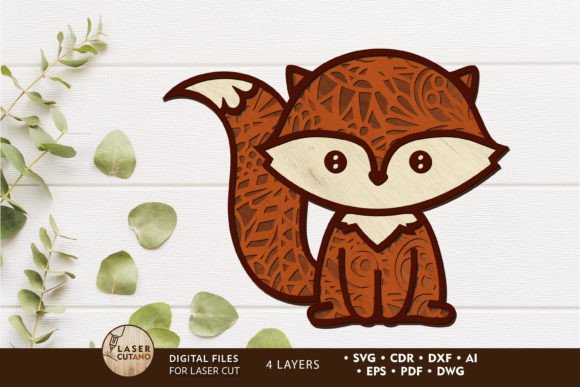
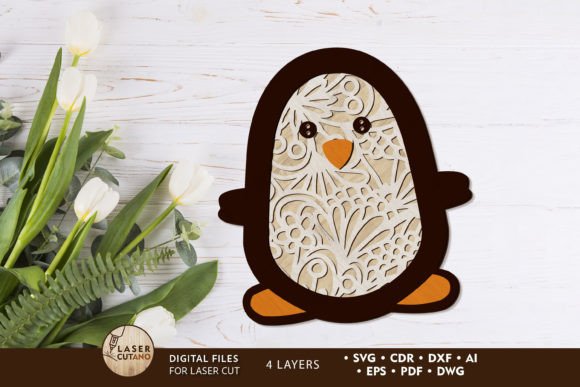
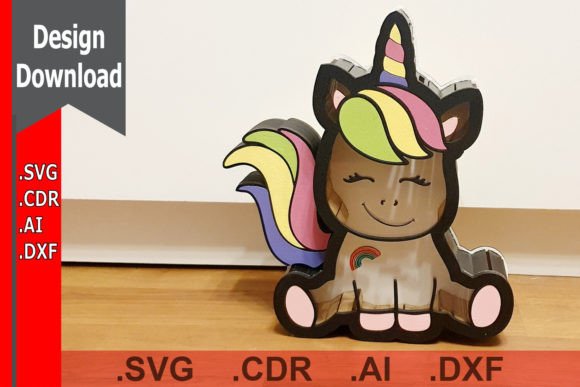
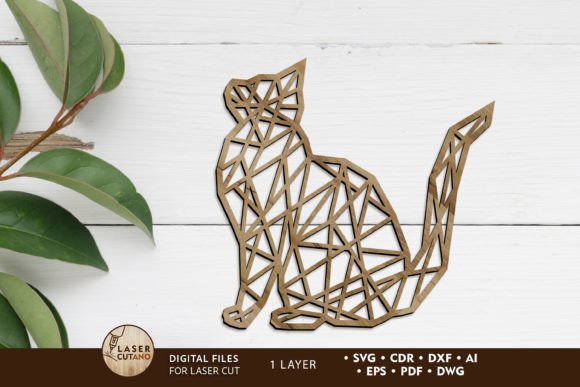
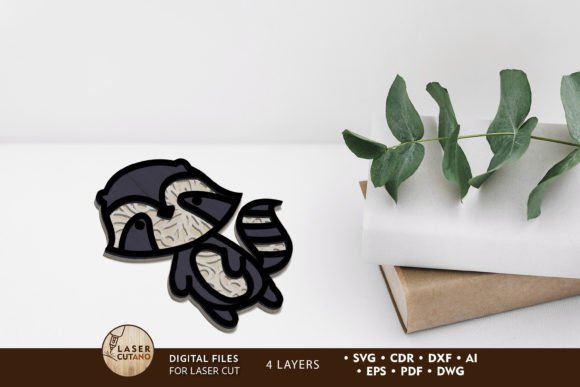
The trend toward layered manufacturing reflects a broader shift in consumer expectations. Flat, two-dimensional cutouts were once the standard for hobbyist projects, but today's market favors depth, texture, and complexity. A Cute Animal Digital multilayer layout transforms simple sheets of plywood or acrylic into standing sculptures that capture attention and add character to any space.
This evolution is driven by several factors. First, the accessibility of laser cutting technology has democratized production, enabling freelancers and small business owners to compete with mass manufacturers by offering bespoke items. Second, there is a growing appreciation for handmade quality and the "story" behind an object. When a parent assembles a layered lion toy for their child, or a designer creates a custom wall piece for a client, the value extends beyond the material cost—it includes the time, creativity, and precision invested in the process.
Furthermore, the versatility of these files supports diverse workflows. Whether you are an educator teaching STEM concepts through assembly, a marketer creating branded promotional items, or a homeowner looking to refresh your interior, multilayer templates provide a flexible foundation. They allow for experimentation with different materials and finishes, ensuring that no two finished products need to look exactly alike.
Technical Specifications and Material Compatibility
Understanding the technical requirements of a design file is crucial for achieving professional results. The Lion Decorative Laser Cut Template and similar animal-themed collections are typically provided in a comprehensive suite of formats, including .AI, .SVG, .DXF, .DWG, .CDR, .EPS, and .PDF. This wide compatibility ensures seamless integration with various software ecosystems, from Adobe Illustrator to CorelDRAW and direct machine interfaces.
Upon downloading the product, users receive a compressed .zip folder containing these vector files. It is important to unzip this folder before attempting to import the designs into your cutting software. Failure to do so can lead to import errors or missing layers, disrupting the workflow.
The finished product dimensions for these specific cute animal layouts are generally optimized at 14 x 8 inches, consisting of 4 distinct layers. This layering strategy is designed to create a sense of volume and perspective. For optimal structural integrity and visual appeal, the recommended material thickness ranges between 3 mm and 6 mm (approximately 1/8 inch to 1/4 inch).
Compatible materials include:
- Plywood and MDF: Ideal for painted finishes and sturdy construction.
- Acrylic and Plexiglas: Perfect for modern, translucent, or glossy aesthetics.
- Metal: Suitable for industrial-style decor (requires appropriate fiber laser settings).
- Cardboard and Paper: Excellent for prototyping, educational models, or lightweight decorations.
One critical consideration when working with these files is scalability. While you can increase the size of the design to create larger statement pieces, reducing the size requires caution. As the overall dimensions shrink, the thin elements connecting the layers may become too fragile to cut cleanly or assemble securely. Always test a small sample if you plan to significantly downscale the original 14x8 inch footprint.
Workflow Best Practices for Layered Assembly
The transition from a digital file to a physical object involves more than just pressing "start" on your machine. To ensure the highest quality outcome, specific preparation steps should be followed. A key recommendation for multilayer models is to paint each layer before gluing. Attempting to paint the assembled unit often results in uneven coverage, drips in the crevices, and difficulty reaching inner details.
This pre-assembly finishing technique allows for greater creative control. You might choose to stain the wood for a natural look, apply vibrant acrylics for a playful children's toy, or use metallic sprays for a sophisticated decor item. Once the paint has fully cured, the layers can be bonded using wood glue, epoxy, or strong adhesive tapes, depending on the material chosen.
For professionals and entrepreneurs, this workflow efficiency translates directly to profitability. By utilizing pre-optimized files like the svg layered animals collection, you eliminate hours of design time. Instead, you can focus on production, finishing, and marketing. This shift allows small batches to be produced rapidly, catering to the "on-demand" economy where customers expect quick turnaround times for personalized goods.
Applications Across Industries and Lifestyles
The utility of these laser cut files extends far beyond simple hobby crafts. In the realm of home décor, a series of layered animal silhouettes can serve as a striking focal point in a nursery, living room, or office. Their three-dimensional nature catches light and shadow differently throughout the day, adding dynamic visual interest to static walls.
In the education sector, these templates offer a hands-on approach to learning. Teachers can use them to demonstrate geometry, spatial reasoning, and engineering principles. Students engage with the material by assembling the layers, fostering fine motor skills and an understanding of how 2D plans translate into 3D objects.
For retailers and gift shops, offering customizable layered animal kits provides a unique product line. Customers appreciate the opportunity to participate in the creation process, whether by selecting specific colors or assembling the final piece themselves. This interactive element enhances the perceived value of the product and creates a memorable customer experience.
Moreover, the adaptability of these designs supports seasonal campaigns. A lion template can be part of a safari-themed party decoration set, while other animals in the collection can be adapted for holidays, birthdays, or corporate events. The ability to swap materials—from eco-friendly cardboard for temporary event decor to durable hardwood for permanent installations—makes these files a versatile asset in any creator's library.
Navigating the Future of Digital Crafting
As we look forward, the integration of digital files with physical manufacturing will only deepen. The expectation for precision, ease of use, and aesthetic quality continues to rise. Files like the Lion Decorative Laser Cut Template are setting a standard by providing clean vector paths, logical layer separation, and clear material guidelines.
Creators who embrace these tools position themselves at the forefront of the maker movement. They are not just cutting shapes; they are crafting experiences, solving design problems, and bringing the wonder of the animal kingdom to life in tangible forms. Whether you are a seasoned professional with a full workshop or a curious beginner with a desktop cutter, leveraging high-quality multilayer layouts opens up endless possibilities for innovation and expression.
By respecting the technical constraints—such as material thickness limits and painting sequences—and embracing the creative freedom these files offer, users can consistently produce work that stands out in a crowded marketplace. The fusion of technology and artistry found in these digital downloads proves that the future of making is both accessible and profoundly impactful.