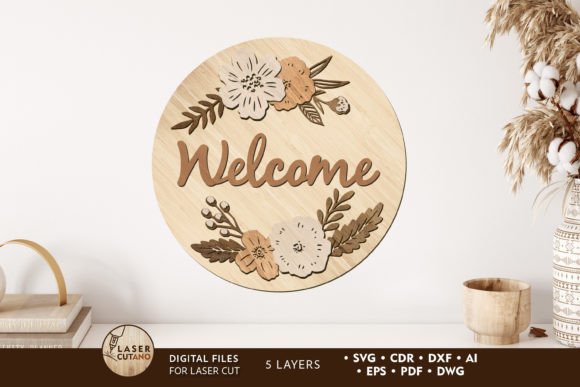
Integrating the Welcome Decorative Wall Panel Cut File into Your Production Workflow
In the realm of digital fabrication and custom home decor, efficiency often dictates success. Whether you are a small business owner running a Etsy shop, a hobbyist with a Glowforge in the garage, or a professional fabricator managing large-scale CNC operations, the foundation of a smooth production line is high-quality source material. The Welcome Decorative Wall Panel, Cut File represents more than just a design asset; it is a critical component in a streamlined manufacturing process that bridges the gap between digital conception and physical reality. By understanding how to effectively integrate these multilayer layout files into your existing workflow, you can reduce prep time, minimize material waste, and ensure consistent quality across every finished product.
At its core, this product is a comprehensive digital package designed for versatility. It serves as the blueprint for creating a warm, inviting atmosphere in residential or commercial spaces. However, from an operational standpoint, its value lies in its compatibility and structural integrity. The file set includes formats such as .AI, .SVG, .DXF, .DWG, .CDR, .EPS, and .PDF. This wide array of extensions ensures that regardless of whether your workshop relies on vector-based design software like Adobe Illustrator or CAM-specific programs for CNC routers, the asset fits seamlessly into your technical ecosystem. There is no need for complex conversion processes or risky third-party plugins that might alter pathing or dimensions.
Pre-Production Planning and File Preparation
The integration of the Welcome Digital multilayer layout files begins before any machine is powered on. Effective workflow management starts with proper file handling. Upon acquisition, the product arrives as a compressed .zip archive. A crucial, often overlooked step in the planning phase is the immediate extraction of these files. Attempting to run cutting jobs directly from within a zip folder can lead to path errors, missing layers, or software crashes, which disrupts the production schedule. Once unzipped, the next phase involves selecting the appropriate file format for your specific hardware.
For laser cutting enthusiasts using machines like Glowforge or xTool, the .SVG or .AI formats are typically the preferred choice due to their clean vector paths and color-coding capabilities. These formats allow for easy differentiation between the five distinct layers of the design. Conversely, if your operation utilizes a CNC router for woodworking, the .DXF or .DWG files provide the precise geometric data required for toolpath generation. This flexibility means the same design asset can be deployed across different departments or machines without needing to purchase separate licenses or redesign the element from scratch.
Material selection is another pivotal decision point in the pre-production stage. The design is optimized for a variety of substrates, including plywood, MDF, acrylic, plexiglass, metal, cardboard, and paper. However, to achieve the intended aesthetic and structural stability, adhering to the recommended material thickness is vital. For wood-based projects, a thickness range of 3mm to 6mm (approximately 1/8 inch to 1/4 inch) is ideal. Deviating significantly from these parameters can compromise the interlocking mechanics of the multilayer assembly or result in a finished product that lacks depth. During the planning phase, inventory checks should confirm that materials meeting these specifications are available, preventing mid-project stoppages.
Execution: Cutting and Assembly Strategies
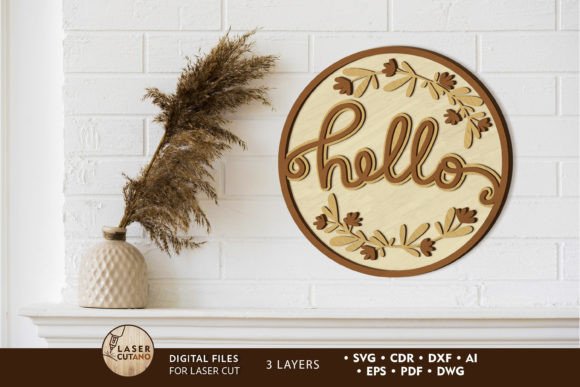
Once the files are loaded and materials are prepped, the execution phase begins. The Welcome multilayer layout is engineered with a finished product size of 14 x 14 inches, but scalability is a key feature of this asset. In a production environment, the ability to scale designs allows for customization based on client requests or specific wall dimensions. However, practical implementation requires caution. While increasing the size of the design is generally safe, reducing it demands careful analysis. The design contains thin elements that define the typography and decorative flourishes. If scaled down too aggressively, these delicate features may become too fragile to cut cleanly or may break during the weeding and assembly process. A good rule of thumb in your workflow is to maintain the original scale for standard orders and only scale up for custom commissions unless you have tested the structural limits of your specific material.
The cutting process itself benefits from the clean vector paths provided in the file. For laser operators, setting the correct power and speed settings for the chosen material thickness ensures crisp edges without excessive charring. For CNC users, selecting the right bit size relative to the internal corners of the letters prevents burnishing and ensures tight fitment during assembly. Because this is a five-layer model, organization during the cutting phase is essential. It is highly advisable to label each layer immediately after cutting, especially when processing multiple units simultaneously. Mixing up layers can lead to significant rework time, negatively impacting overall efficiency.
Post-Processing and Quality Control
The transition from cut parts to a finished wall panel is where the true craftsmanship shines. The workflow for assembling the laser cut sign wood file dictates a specific order of operations to ensure a professional finish. The most critical instruction in this phase is to paint before gluing. Attempting to paint the assembled unit often results in uneven coverage in the crevices between layers and can cause paint to seep into the adhesive joints, weakening the bond. By painting individual layers prior to assembly, you guarantee full coverage and a polished look from every angle.
Assembly involves bonding the five layers together. Using a high-quality wood glue or acrylic cement, depending on the substrate, ensures durability. Pressing the layers firmly and allowing adequate curing time is part of the quality control protocol. Rushing this step can lead to warping or delamination over time, which would result in customer returns or dissatisfaction. Once assembled, the final product serves its purpose: creating a welcoming vibe in a home or business. The "Home is where the heart is" sentiment is physically manifested through the depth and texture of the multilayer construction, making it a superior alternative to flat, single-layer signage.
Scalability and Business Integration
For entrepreneurs and marketers, the Welcome Decorative Wall Panel, Cut File offers a scalable solution for inventory management. Because the digital asset is reusable, it supports a made-to-order business model that minimizes storage costs for finished goods. You can maintain a stock of raw materials and produce signs as orders come in, adapting quickly to trends or seasonal demands. Furthermore, the versatility of the file formats allows for diversification. The same design can be marketed as a premium wooden wall hanging, a modern acrylic office sign, or even a lightweight paper craft kit, opening up multiple revenue streams from a single purchase.
Consistency is key in building a brand reputation. By standardizing the use of these vetted digital files, businesses ensure that every unit leaving the shop meets a specific standard of quality. The precision of the .DXF and .SVG files eliminates the variability that comes with manual drafting or lower-quality downloads. This reliability builds trust with customers who expect professional-grade decor. Additionally, the clear documentation regarding material thickness and layer count reduces the learning curve for new employees or collaborators, making it easier to scale operations without sacrificing quality.
In conclusion, the Welcome Digital multilayer layout files are not merely decorative assets but functional tools designed to enhance productivity and creative output. By respecting the technical specifications, adhering to the recommended workflow of painting before gluing, and leveraging the broad compatibility of the file formats, creators can seamlessly integrate this product into their daily operations. Whether the goal is to decorate a personal living space with joy and warmth or to fulfill a backlog of customer orders, this cut file provides the structural and aesthetic foundation needed for success. Efficient planning, precise execution, and attention to detail transform these digital vectors into tangible pieces of art that truly make a space feel like home.