Decorative Wall Panels: Multilayer Files for Modern Makers
There is a distinct satisfaction in watching a laser cutter or CNC router bring a digital concept to life, especially when that concept transforms a blank wall into a focal point of warmth and character. Decorative Wall Panels, Multilayer Files represent more than just cut paths; they are the architectural blueprints for creating depth, shadow, and texture in physical space. Unlike flat signage or single-layer decals, these multilayer layouts rely on the interplay of stacked materials to create a three-dimensional effect that catches the light and invites touch. For designers, small business owners, and hobbyists looking to elevate their interior decor offerings or personalize their own living spaces, understanding the nuance of these files is essential for producing professional-grade results.
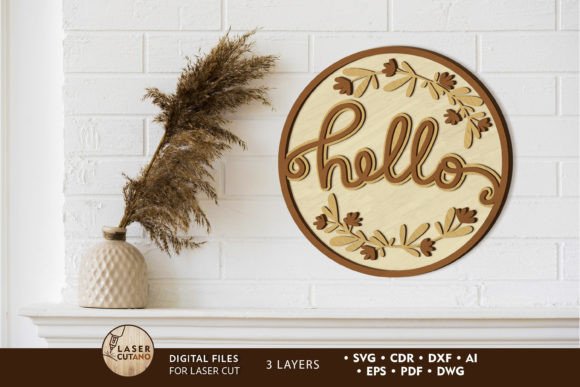
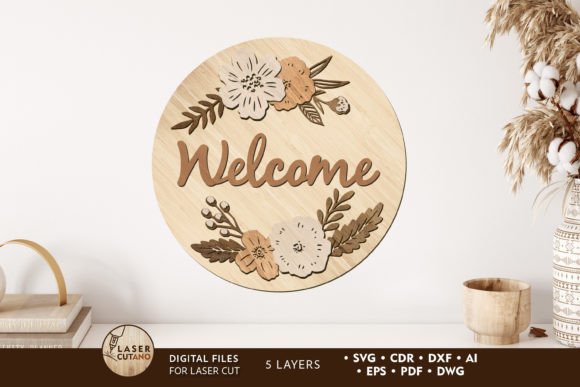
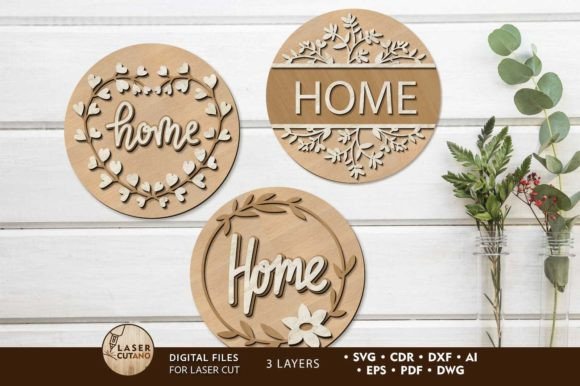
The visual personality of a multilayer panel lies in its dimensionality. By separating a design into distinct strata, usually three or more, the final product gains a sense of weight and permanence that flat graphics simply cannot achieve. When you work with Decorative Wall Panels, Multilayer Files, you are essentially sculpting with sheet goods. The aesthetic appeal comes from the subtle shadows cast between layers and the contrast created by using different materials or finishes for each tier. Whether it is a cozy "Home is where the heart is" sentiment or an abstract geometric pattern, the multilayer approach turns a simple message into a tactile experience. This style resonates deeply in modern interior design, where texture and natural materials like wood and acrylic are prized for their ability to make a space feel inviting and lived-in.
Strategic Applications Across Creative Industries
While the end result is often a piece of home decor, the utility of these digital assets extends far beyond the living room wall. For entrepreneurs and content creators, Decorative Wall Panels, Multilayer Files serve as versatile design assets that can be adapted for various commercial and personal projects. In the realm of branding and retail, these files are perfect for creating eye-catching shop signage, window displays, or trade show backdrops that need to stand out in a crowded environment. The depth provided by the multilayer construction ensures that the message remains legible and impactful even from a distance, functioning similarly to a bold display font in a print layout but with physical presence.
Publishers and editorial designers might find inspiration in the layering technique for packaging design or book cover embossing simulations, where understanding how elements stack informs the digital mockup process. For social media managers and bloggers, producing custom, high-quality background props using these files adds a unique, authentic touch to photography and video content. Instead of relying on generic stock backgrounds, a creator can manufacture a bespoke set piece that aligns perfectly with their brand identity. Furthermore, in the wedding and event industry, these layouts are invaluable for crafting personalized table numbers, welcome signs, and photo booth backdrops that guests remember long after the event concludes.
The versatility also shines in educational and community settings. Makerspaces and vocational schools use these projects to teach students about material properties, tolerance settings, and assembly techniques. Because the files often come in universal formats like .SVG, .DXF, and .AI, they bridge the gap between vector illustration and manufacturing, making them an excellent tool for teaching the workflow from screen to machine. Whether you are running a small Etsy shop selling custom home goods or a marketing agency producing physical collateral for a client, the ability to manipulate these multilayer structures offers a competitive edge in producing tangible, high-value items.
Material Selection and Assembly Precision
Executing a successful project with Decorative Wall Panels, Multilayer Files requires a thoughtful approach to material selection. The recommended substrates typically include plywood, MDF, acrylic, plexiglass, and even metal or heavy cardstock, depending on the desired finish and durability. For wood-based projects, a thickness of 3mm to 6mm (approximately 1/8 inch to 1/4 inch) is standard. This range provides enough structural integrity for the layers to hold their shape while allowing the adhesive to create a strong bond without excessive bulk. If you choose to work with acrylic, the transparency and light-refracting qualities can add a modern, sleek twist to the traditional wooden look, ideal for contemporary interiors.
One critical aspect often overlooked by beginners is the painting and finishing sequence. To achieve a polished, professional look, it is highly advisable to paint or stain each layer individually before gluing them together. Attempting to finish the assembled panel often results in missed spots in the crevices between layers or uneven coverage on the edges. Pre-finishing ensures that every nook and cranny looks intentional and refined. Additionally, when working with intricate designs containing thin elements, be cautious about scaling. While you can increase the size of the design relatively safely, reducing it too much can compromise the structural integrity of delicate connectors or text strokes, leading to breakage during cutting or handling.
The assembly process itself is a exercise in patience and precision. Each layer of the multilayer model must be aligned perfectly to maintain the visual rhythm of the design. Using a high-quality wood glue or acrylic cement, apply pressure evenly to ensure a flush bond. For larger panels, such as the standard 14x14 inch finished product size often found in these bundles, clamping or weighting the piece while the adhesive cures is essential to prevent warping. The result of this careful labor is a robust, gallery-quality piece that feels substantial and well-crafted, reflecting the care put into its creation.
Optimizing Digital Workflows and File Compatibility
From a technical standpoint, the value of purchasing a comprehensive bundle lies in file compatibility and workflow efficiency. Professional-grade Decorative Wall Panels, Multilayer Files should be available in a wide array of formats, including .AI, .SVG, .DXF, .DWG, .CDR, .EPS, and .PDF. This variety ensures that regardless of whether you are using Adobe Illustrator, CorelDRAW, LightBurn, or a CAM software for your CNC router, the vectors will import cleanly without needing extensive conversion or repair. Before beginning any project, always remember to unzip the downloaded folder; attempting to access files directly from a compressed archive can sometimes lead to corruption or pathing errors in your design software.
When evaluating these files for a specific project, consider the kerf of your machine. Different lasers and routers remove varying amounts of material, which can affect how tightly the layers fit together if the design relies on interlocking tabs rather than just surface gluing. While many decorative wall panels are designed for surface stacking, understanding your machine's specific tolerances allows you to make minor adjustments in the software if necessary. Testing a single layer on a scrap piece of your intended material is a best practice that saves time and resources in the long run.
Ultimately, integrating these multilayer layouts into your creative toolkit expands your capacity to produce meaningful, tactile objects. They allow you to move beyond the screen and engage with the physical world in a way that resonates with people on an emotional level. A well-made sign panel does more than display words; it sets a mood, defines a space, and communicates a sense of care and craftsmanship. By mastering the use of these files, selecting the right materials, and paying attention to the details of assembly, you can create decor that truly makes a house feel like a home, filling the space with the joy and warmth that only handmade objects can provide.